News

The entrepreneur who turned a medical odyssey into the region’s most innovative health data solution
Dec 12, 2025

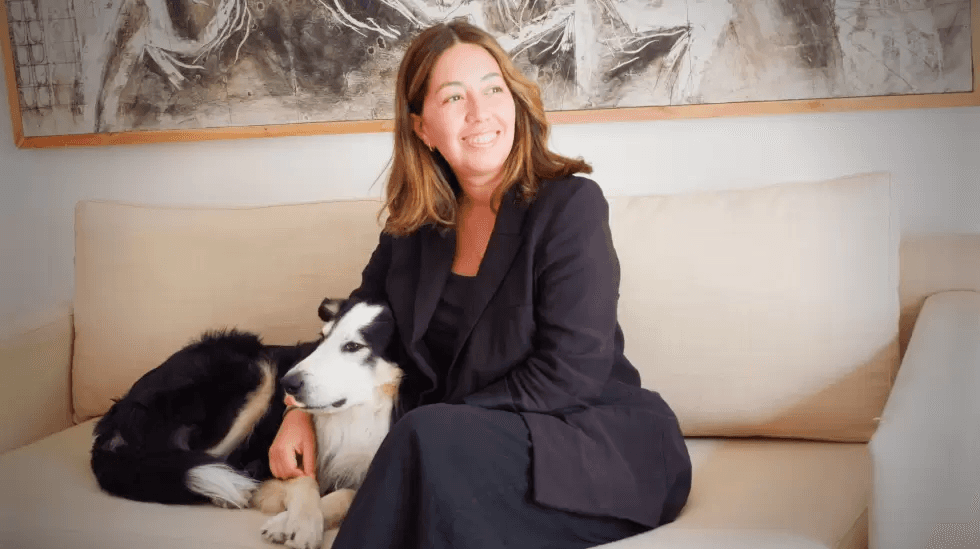
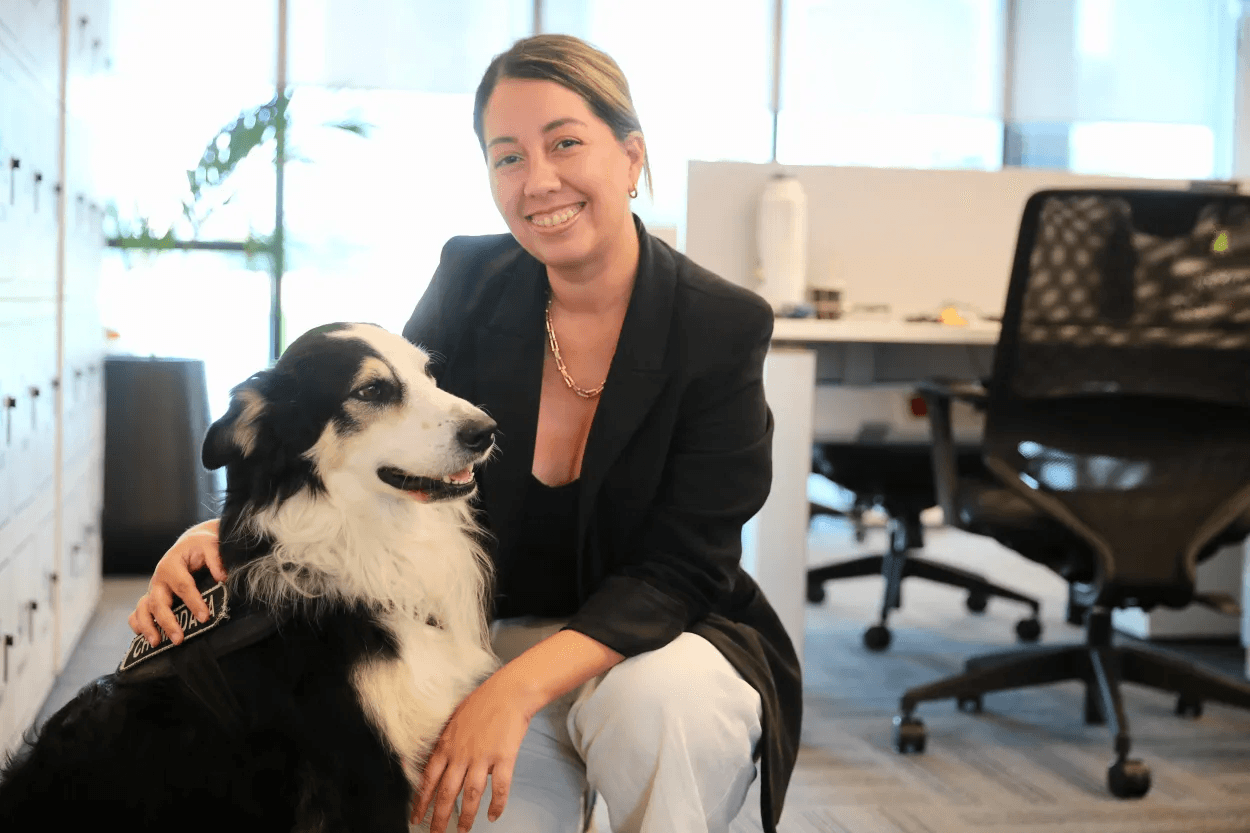
Keila Barral Masri, winner of Endeavor Argentina’s WE 2025 Program, now based at the Innovation Park and with a presence in Silicon Valley through Draper University’s scale-up program, represents a new generation of founders who combine personal experience, technological vision, and high impact. Her startup, Cromodata—founded together with Matías Karlsson and Juan Pablo Merea—is Latin America’s first marketplace for de-identified health data, a key tool in a sector where information is fragmented, access is unequal, and interoperability remains an unmet need.
In this interview, she explains how the difficulty of obtaining a diagnosis for a debilitating health condition she lived with became the inspiration and key to the entrepreneurial success that gave birth to Cromodata — a startup that, in just nine months, secured 47 partnered hospitals, integrated 19 million medical images, and validated a model that democratizes access to high-quality data for training next-generation technology.
“In September, we closed our first round: we raised US$1.2 million from funds in Boston and Spain, as well as key investors from the Latin American healthcare ecosystem. Amid that growth, we launched in Brazil with one of the country’s largest groups, which forced us to rethink part of our strategy. We are now seeking additional capital and, very soon, we will be announcing Cromodata’s Seed round, which will allow us to consolidate our presence in Brazil and expand aggressively into Mexico,” the young entrepreneur explains.
How did Cromodata begin?
Cromodata was born from my personal experience. I spent seven years trying to understand what was happening to me: I felt sick, I was unwell, I spent my life going to emergency rooms, and no one could figure out what was wrong. Each doctor saw a small piece of the picture, but no one looked at the whole image. Throughout that journey, the healthcare system offered me basically the worst thing it can offer someone: leaving them without a diagnosis. Receiving the diagnosis of any difficult-to-treat disease — or even one without a cure — is incredibly hard, but living sick without answers leaves you completely alone. What has no name cannot be treated, you can’t share it, and no one can support you. I was angry for a long time, and eventually I realized I wasn’t alone in my frustration — there were many people going through something similar.”